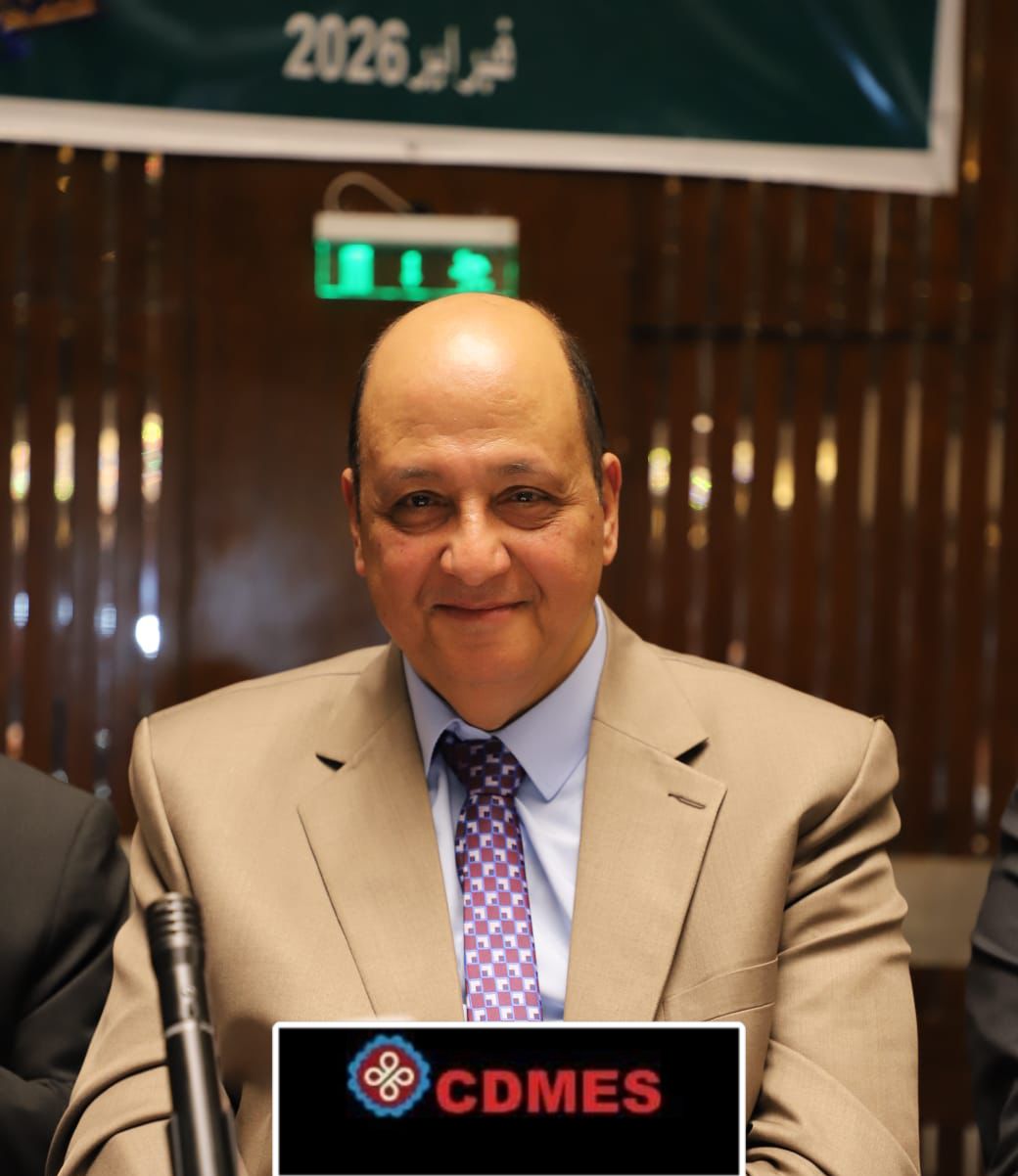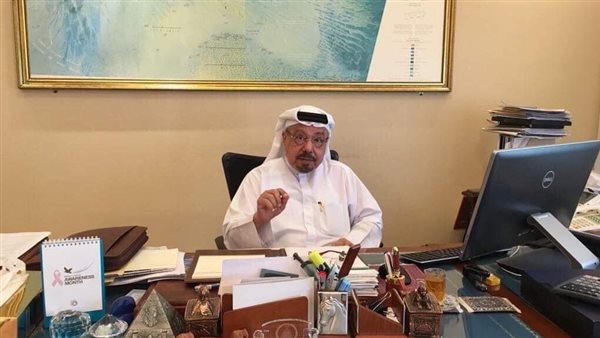
*أولاً: مقدمة تمهيدية*
يتناول الكاتب والمفكر الأستاذ علي الشرفاء في مقاله "حان الوقت لإصلاح جامعة الدول العربية" إشكاليةً بنيوية متجذّرة في صميم العمل العربي المشترك، وهي إشكالية لا تقتصر على الجامعة العربية بوصفها مؤسسة، بل تمتد لتطال طبيعة العلاقات العربية البينية وغياب الإرادة السياسية الجماعية. وتكتسب هذه القراءة التحليلية أهميتها من كونها تُقارب النص في سياقه الراهن، حيث تتصاعد التهديدات الإقليمية وتتراجع قدرة المنظومة العربية على الاستجابة الفعّالة.
*ثانياً: السياق الذي يُؤطّر المقال*
يكتب الكاتب والمفكر الأستاذ على الشرفاء مقاله في ظل مشهد إقليمي بالغ الحساسية، تتصاعد فيه التوترات المتصاعدة المرتبطة بالحرب الأمريكية الإسرائيلية ضد إيران ويرصد الكاتب الغياب شبه التام لجامعة الدول العربية عن المشهد، مما يجعل وجودها المؤسسي مجرد هيكل فارغ من الفاعلية لا يُسمن ولا يُغني من جوع.
وهذا السياق يستدعي بالضرورة مراجعة نقدية وجريئة لدور الجامعة وهياكلها وآليات عملها، وهو ما يقدم عليه الاستاذ على الشرفاء بشجاعة فكرية واضحة.
*ثالثاً: التحليل البنيوي لمحاور المقال*
تشخيص الأزمة: فراغ في الدور وتراجع في الفاعلية:
يُقدّم الشرفاء تشخيصاً دقيقاً لحالة الجامعة العربية ، إذ يُميّز بين نوعين من الإخفاق:
إخفاق هيكلي: يتمثل في ضعف آليات اتخاذ القرار وتقادم الميثاق المؤسّس.
إخفاق سياسي: يتجلى في انعدام الإرادة الجماعية لبناء موقف عربي موحّد وقادر على الردع.
وما يميز هذا التشخيص عن غيره هو أنه لا يكتفي بالنقد بل يسعى إلى بناء أجندة إصلاحية متكاملة.
المقترح الأول: ميثاق جديد قائم على الحقوق والالتزامات:
يُنادي الكاتب والمفكر الأستاذ على الشرفاء بصياغة ميثاق تأسيسي جديد يُعيد تحديد العلاقة بين الدول العربية على أساس المسؤولية المتبادلة. والقيمة الجوهرية في هذا المقترح أنه يُؤسّس لمبدأ الضمان الجماعي، أي أن الاعتداء على دولة عربية واحدة يُعدّ اعتداءً على المنظومة بأسرها.
و هذا المقترح سليم في جوهره ومطلوب بإلحاح، لكنه يظل رهيناً بمسألة الإرادة السياسية. فالميثاق الحالي لعام 1945 يحتوي مبادئ نبيلة لم تُفعَّل، وعليه فإن المشكلة ليست فقط في النص فقط بل في آليات الإلزام والتنفيذ.
المقترح الثاني: الحوار المباشر ودبلوماسية الوقاية
يدعو الكاتب إلى إرساء ثقافة التواصل المستمر بين القادة العرب قبل تفاقم الخلافات، وهو مقاربة استباقية تنسجم مع أفضل الممارسات في فض النزاعات وإدارة الأزمات.
و يُعدّ هذا المقترح الأكثر واقعية من الناحية التطبيقية في المدى القريب، إذ يمكن تفعيله دون الحاجة إلى تعديلات هيكلية جوهرية. غير أن إنجاحه يتطلب وجود آليات واضحة للإخطار المبكر وبروتوكولات متفق عليها للتدخل.
المقترح الثالث: انتظام قمم لا تقبل التأجيل
يرى الكاتب والمفكر الأستاذ على الشرفاء أن القمم العربية يجب أن تنعقد بانتظام صارم في مقر الجامعة، مع رفض قاطع لكل مسوغات التأجيل.
وهذا المقترح يُعالج ظاهرة متكررة وهي اجتماعات تُعقد في أوقات الرخاء وتُؤجَّل في أوقات الأزمات، وهو عكس ما ينبغي أن يكون. بيد أن التطبيق يستلزم نصاً ملزماً وعقوبات دبلوماسية رادعة للدول المتغيّبة.
المقترح الرابع: إعادة الهيكلة الشاملة
وهو أشمل المقترحات وأكثرها طموحاً، ويتضمن ثلاثة محاور:
أ. التناوب الأبجدي على منصب الأمين العام
: يُعالج هذا المقترح ظاهرة احتكار منصب الأمين العام، والتي أضرّت بمبدأ التمثيل المتكافئ. غير أن التناوب الآلي وفق الأبجدية قد لا يضمن بالضرورة الكفاءة والخبرة اللازمتين. ويمكن الجمع بين معيار التناوب ومعيار الكفاءة لتحقيق عدالة أفضل وفقا للتشاور
ب. التحول من الإجماع إلى الأغلبية في التصويت
: هذا هو المقترح الأكثر أهمية وحساسية في المقال كله، وهو يمسّ عصب الخلل الهيكلي الأعمق. فقاعدة الإجماع المُعتمدة منذ 1945 أعطت لكل دولة — مهما صغر حجمها أو ضعف ثقلها — حق النقض الفعلي على القرارات. وقد أفضى ذلك عملياً إلى شلل مؤسسي مزمن. والانتقال إلى الأغلبية المقترحة يُمثّل نقلة نوعية نحو الفاعلية، وإن كانت ستواجه مقاومة سياسية حادة من دول ترى في الإجماع ضمانةً لسيادتها.
ج. لجنة الحكماء: آلية الوساطة الإقليمية
تكشف هذه الفكرة عن الخبرة الكبيرة للكاتب والمفكر الأستاذ على الشرفاء في فهم طبيعة الشخصية العربية والأثر الذي يتركه التواصل الشخصي المباشر. إذ كثيراً ما تنجح الوساطات الشخصية فى حين تفشل الآليات البيروقراطية الجامدة. لذا يجب وضع آليات لإختيار الحكماء، ومدى استقلاليتهم، وصلاحياتهم التنفيذية.
*رابعاً: البُعد القيمي والمرجعية الحضارية*
يستند الكاتب والمفكر الأستاذ على الشرفاء في ختام مقاله إلى الآية الكريمة: ﴿إِنَّمَا الْمُؤْمِنُونَ إِخْوَةٌ فَأَصْلِحُوا بَيْنَ أَخَوَيْكُمْ﴾ (الحجرات: 10)، وهو توظيف دلالي يعكس رغبته في إضفاء مشروعية دينية وأخلاقية على مشروعه الإصلاحي. وهذا البُعد القيمي عنصر مهم في الخطاب العربي، إذ يستحضر الوجدان الجمعي ويُذكّر بأن العمل العربي المشترك ليس مجرد ضرورة براجماتية بل واجب أخلاقي وحضاري.
*خامساً: تساؤلات لابد من الإجابة عليها :*
إجمالا فإن المقال يقدم رؤى قيمة واستراتيجية وهامة تستدعى التطبيق وحتى يكتمل النجاح حال التطبيق فإن هناك العديد من التساؤلات ينبغى الإجابة عليها وأبرزها :
-كيف يمكن إقناع الدول المستفيدة من الوضع الراهن بالإصلاح؟ فبعض الدول تجد في الجمود المؤسسي حمايةً لمصالحها.
-ما الآلية التي تضمن الالتزام بالميثاق الجديد؟ غياب آلية إلزامية وقضاء عربي مستقل يُفرغ أي ميثاق من مضمونه.
-كيف تتعامل الرؤية الإصلاحية مع الدول العربية المتصارعة داخلياً؟ كاليمن وليبيا والسودان، التي لا تملك سلطة مركزية جامعة.
-ما العلاقة بين إصلاح الجامعة وإصلاح الأنظمة الداخلية؟ إذ إن الجامعة انعكاس لمجموع الأنظمة الأعضاء.
*سادساً: الموقف التحليلي الختامي*
يُمثّل مقال علي الشرفاء إسهاماً فكرياً جاداً يستحق ان تدرسه الدول العربية وتبحث عن إمكانيات تنفيذه لا سيما أنه يتجاوز حدود التشخيص إلى حدود الاقتراح. وتبقى المعادلة الصعبة أن الإصلاح المؤسسي دون توافر الإرادة السياسية الجماعية قد يظل حبراً على ورق.
غير أن الطرح من الكاتب والمفكر الأستاذ على الشرفاء يمتلك قيمة موضوعية في كونه يُشكّل أجندة مرجعية قابلة للنقاش والتطبيق ، وهو في حد ذاته خطوة في الاتجاه الصحيح نحو بناء رأي عام عربي مطالِب بالإصلاح، وإن كان الطريق إلى التحقق الفعلي يتطلب وقتا .
Analytical Study of the Article by Writer and Thinker Prof. Ali Al-Sharfa: "It Is Time to Reform the Arab League"
Prepared by: Dr. Moataz Salah Al-Din
Advisor, Democratic Center for Middle East Studies — North Carolina
First: Introductory Preface
Writer and thinker Prof. Ali Al-Sharfa addresses in his article "It Is Time to Reform the Arab League" a deeply structural problem at the heart of Arab collective action — a problem that is not confined to the Arab League as an institution, but extends to encompass the very nature of inter-Arab relations and the absence of collective political will. This analytical reading derives its importance from approaching the text within its current context, where regional threats are escalating and the Arab system's capacity for effective response is in steady decline.
Second: The Context Framing the Article
Writer and thinker Prof. Ali Al-Sharfa writes his article against the backdrop of an exceptionally sensitive regional scene, in which tensions linked to the American-Israeli war against Iran are mounting. The author observes the near-total absence of the Arab League from this scene, reducing its institutional presence to little more than an empty shell — one that neither nourishes nor suffices.
This context necessarily calls for a bold and critical reassessment of the League's role, its structures, and its operational mechanisms — a task that Prof. Ali Al-Sharfa undertakes with evident intellectual courage.
Third: Structural Analysis of the Article's Core Arguments
Diagnosing the Crisis: A Vacuum of Role and a Decline in Effectiveness
Al-Sharfa offers a precise diagnosis of the Arab League's condition, distinguishing between two distinct types of failure:
Structural failure: manifested in weak decision-making mechanisms and the obsolescence of the founding charter.
Political failure: reflected in the absence of collective will to forge a unified Arab position capable of deterrence.
What sets this diagnosis apart is that it does not stop at criticism but actively seeks to build a comprehensive reform agenda.
First Proposal: A New Charter Based on Rights and Obligations
Writer and thinker Prof. Ali Al-Sharfa calls for drafting a new foundational charter that redefines relations among Arab states on the basis of mutual responsibility. The core value of this proposal lies in establishing the principle of collective guarantee — meaning that aggression against one Arab state is considered aggression against the entire system.
This proposal is sound in its essence and urgently needed. However, it remains hostage to the question of political will. The current 1945 charter already contains noble principles that have never been operationalized. The problem, therefore, lies not in the text alone, but in the mechanisms of enforcement and implementation.
Second Proposal: Direct Dialogue and Preventive Diplomacy
The author calls for establishing a culture of continuous communication among Arab leaders before disputes escalate — a proactive approach consistent with best practices in conflict resolution and crisis management.
This proposal is the most practically feasible in the short term, as it can be activated without requiring fundamental structural amendments. Its success, however, demands clear early-warning mechanisms and agreed-upon intervention protocols.
Third Proposal: Regular Summits That Admit No Postponement
Writer and thinker Prof. Ali Al-Sharfa argues that Arab summits must be held with strict regularity at the League's headquarters, with an absolute rejection of all pretexts for postponement.
This proposal addresses a recurring phenomenon — meetings convened in times of calm and deferred in times of crisis, precisely the opposite of what should occur. Implementation, however, requires binding provisions and meaningful diplomatic consequences for absent states.
Fourth Proposal: Comprehensive Restructuring
This is the most ambitious and far-reaching of all proposals, encompassing three distinct axes:
A. Alphabetical Rotation for the Secretary-General Post
This proposal addresses the monopolization of the Secretary-General position, which has undermined the principle of equitable representation. However, automatic alphabetical rotation does not necessarily guarantee the competence and experience required for effective leadership. A combination of rotation and merit-based criteria — guided by consultation — would achieve a more equitable outcome.
B. Shifting from Unanimity to Majority Voting
This is the most significant and sensitive proposal in the entire article, striking at the deepest structural flaw. The unanimity rule, in place since 1945, has effectively granted every state — regardless of size or weight — a de facto veto over collective decisions. This has produced, in practice, chronic institutional paralysis. The transition to the proposed majority system represents a qualitative leap toward effectiveness, though it will inevitably face sharp political resistance from states that regard unanimity as a safeguard for their sovereignty.
C. The Council of Wise Men: A Regional Mediation Mechanism
This idea reveals the extensive experience of writer and thinker Prof. Ali Al-Sharfa in understanding the nature of the Arab character and the profound impact of direct personal engagement. Personal mediation frequently succeeds where rigid bureaucratic mechanisms fail. It is therefore essential to establish clear mechanisms for selecting the Wise Men, defining the scope of their independence, and determining their executive authority.
Fourth: The Value Dimension and Civilizational Reference
Writer and thinker Prof. Ali Al-Sharfa concludes his article by invoking the Quranic verse: "The believers are but brothers, so make settlement between your brothers" (Al-Hujurat: 10). This rhetorical choice reflects his desire to lend religious and moral legitimacy to his reform project. This value dimension is a significant element in Arab political discourse, as it invokes collective conscience and affirms that Arab collective action is not merely a pragmatic necessity but a moral and civilizational obligation.
Fifth: Questions That Must Be Answered
Overall, the article presents valuable, strategic, and important insights that merit implementation. Yet for success to be complete upon application, there are several critical questions that must be addressed, most notably:
How can states that benefit from the status quo be persuaded to embrace reform? Some states find institutional stagnation protective of their interests.
What mechanism ensures compliance with the new charter? The absence of a binding enforcement mechanism and an independent Arab judiciary would empty any charter of its meaning.
How does the reform vision address Arab states torn by internal conflict — such as Yemen, Libya, and Sudan — which lack a unified central authority?
What is the relationship between League reform and internal governance reform? The League, ultimately, is a reflection of the sum of its member states' political systems.
Sixth: Concluding Analytical Position
The article by Ali Al-Sharfa represents a serious intellectual contribution that Arab states deserve to study and explore the possibilities of implementing — particularly because it moves beyond diagnosis to concrete proposal. The enduring challenge remains that institutional reform, absent collective political will and a democratic internal environment within member states, will remain aspirational rather than actionable.
Nevertheless, the framework put forward by writer and thinker Prof. Ali Al-Sharfa holds objective value as a reference agenda open to debate and implementation. It is, in itself, a step in the right direction toward building an Arab public opinion that demands reform — even if the path to actual .